


Blog
C188 Combination Chain: Construction and Quotation Guide

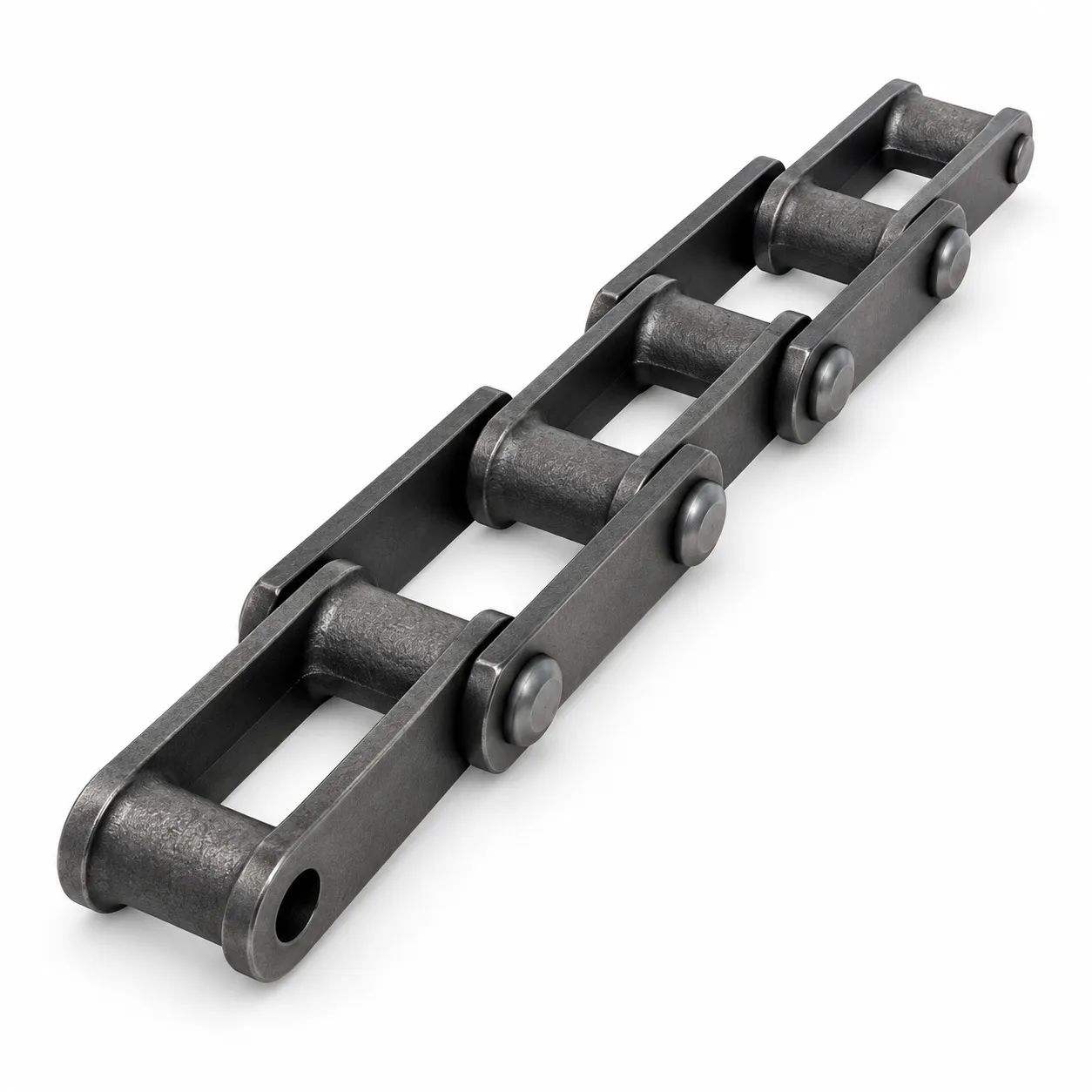
A C188 chain inquiry is easier to evaluate when the model is accompanied by a drawing, operating details and photographs of the existing assembly. TJOND’s C188 combination conveyor chain page brings these selection points together for replacement and project inquiries.
What the C188 Designation Tells You
The C188 family has a nominal pitch of 66.27 mm, equivalent to approximately 2.609 inches. The combination design uses cast block links alternating with steel outer sidebars. It should be evaluated as a conveyor component, with the chain, sprockets, guides and attachments considered as one assembly.
A matching model name does not settle every replacement detail. Pin projection, available clearance, joint retention and the existing attachment layout still need to be checked. Before comparing quotations, establish which drawing each supplier is pricing.
Describe the Duty Before Choosing the Specification
The supplied application information should describe what the chain actually does. Is the conveyor carrying a uniform stream of material or receiving intermittent heavy feed? Does dust collect around the joints? Is the chain exposed to water, washdown or corrosive material? These details help define the questions to resolve before a material or heat-treatment specification is accepted.
For abrasive bulk-handling duties, the pin and mating bearing surfaces are important review points. A hard surface and a tough core serve different purposes, so a useful specification distinguishes the components and their treatment requirements. Hardness values and treatment methods should be agreed in writing; they should not be inferred from a generic product photograph.
Make the Inquiry Easy to Check
- Start with the chain designation and a drawing or measured sample.
- State whether the quantity refers to total length, individual strands or a fixed number of links.
- Show the joint retention method and connection link.
- Include attachment locations, spacing and orientation.
- Identify the conveyor speed, conveyed material and environmental exposure.
- List the inspection records needed with the shipment.
Photographs are most helpful when the chain is clean enough for the joints and sidebars to be visible. Include one overall view and close-ups of a sound joint and any damaged area. Keep the scale or ruler in the same plane as the feature being recorded; a perspective photograph is not a substitute for a critical dimension.
Agree the Inspection Scope
Requesting “quality inspection” without acceptance criteria leaves room for misunderstanding. Define the dimensions to be recorded, the length over which pitch is checked and any required material or hardness documentation. If a test is needed, agree the method and acceptance requirement before ordering. A result from another supplier or another C188 variant is not evidence for the chain being quoted.
Send Your C188 Requirements
Visit the C188 product page for the selection summary. Send your drawing, quantity and working conditions through our contact page or to info@tjond.com. The quotation should identify the configuration, inspection scope and delivery terms for your order.


